October 5, 2026
A home exterior can look uniformly dirty from the street, but its surfaces rarely need the same treatment. Siding may carry mildew, a roof may show dark algae streaks, and a walkway may have stains that do not respond like ordinary dirt. Before arranging power washing, it helps to think about what needs cleaning and which materials are involved. A conversation about those details gives a professional room to choose methods that suit the property, rather than treating the entire exterior as one surface.
Start With the Surface, Not the Equipment
The name of a cleaning service does not describe the method appropriate for every part of a home. Concrete can tolerate an approach that would be unsuitable for painted trim or roof shingles. Even neighboring areas may call for different cleaning agents, pressure levels, and attention to runoff. A professional should identify the material and the kind of buildup before deciding how to clean it. That discussion matters most when a project includes more than one surface.
A homeowner can describe what has changed without having to identify the stain precisely. Green growth along one wall, dark streaks on a roof, and discolored stone near an entry may have different causes. Mention where each concern appears and whether some areas are more exposed to moisture, shade, or traffic. The observations help a provider plan the work, while the provider remains responsible for assessing the surface and selecting the technique. Effective power washing begins with that distinction between what is visible and what treatment is appropriate.
Give Siding a Method Suited to Its Finish
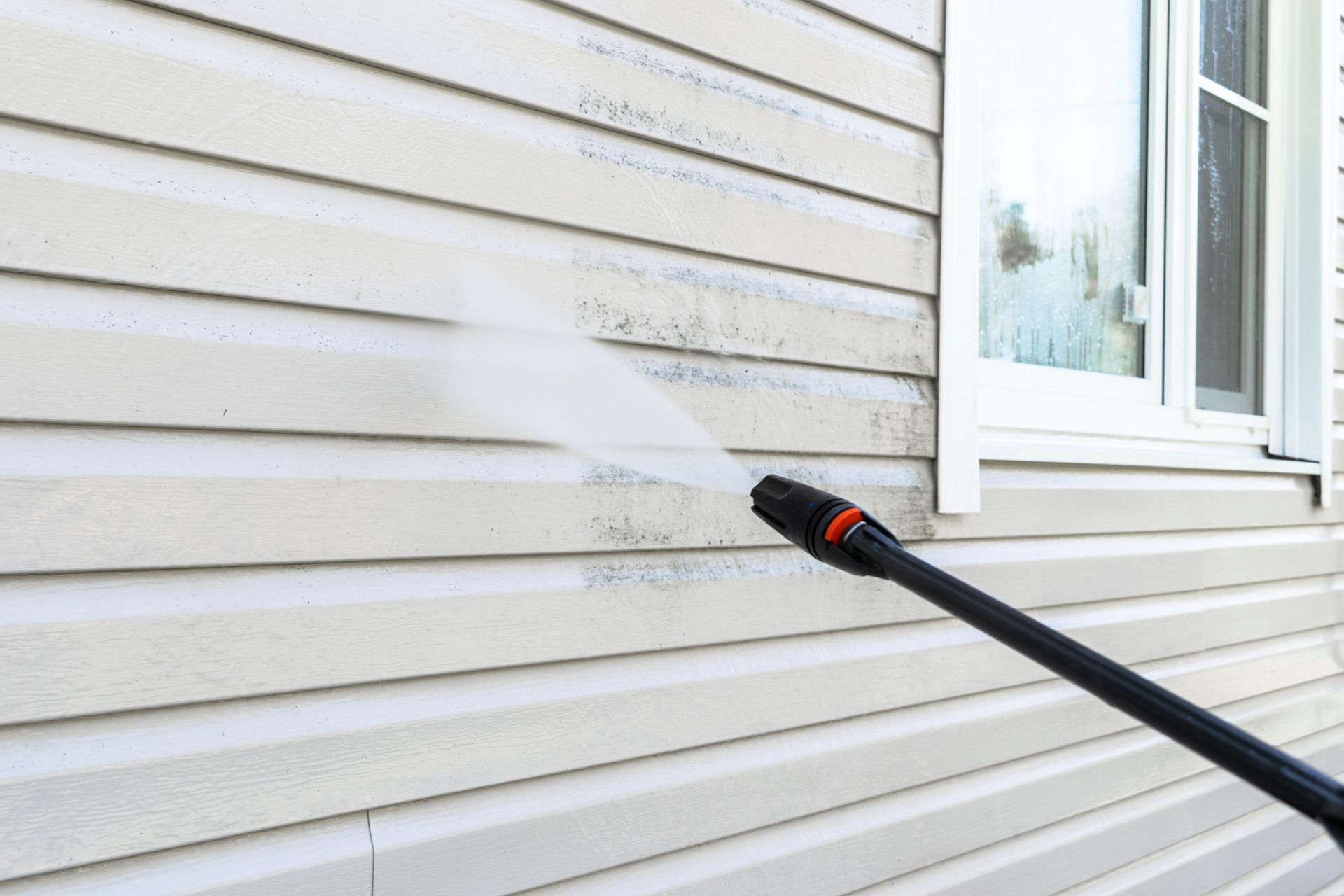
House washing often addresses dirt, mold, mildew, and algae that collect across siding and other exterior surfaces. These deposits can make a home look uneven, particularly when shaded walls stay damp longer than sunlit ones. The goal is to lift the buildup without driving water into seams or disturbing a surface that does not tolerate force. That is why a professional may choose a lower-pressure washing method with suitable cleaning solutions instead of relying on pressure alone.
When discussing power washing for siding, ask how the method will vary if the home has more than one exterior material. A painted section, trim detail, and siding panel may not respond identically to the same treatment. It is also useful to mention areas where discoloration returns regularly, since a service may include a treatment intended to slow regrowth. The provider should explain what that treatment applies to and what result to expect without suggesting that a washed surface can never become dirty again.
Treat the Roof as a Separate Cleaning Job
Dark streaks, moss, or algae on a roof may draw attention from the street, but shingles are not the same as a driveway. A roof wash calls for a method selected to clean the growth without damaging the roofing surface. Soft washing uses a gentler application and appropriate cleaners for this purpose. A homeowner arranging other exterior work should ask whether the roof is included and how its cleaning will be handled separately from siding and pavement.
The location of growth can help frame that discussion. One roof slope may stay shaded while another dries more readily, so discoloration may appear unevenly. Describe the areas of concern and ask what the professional sees when evaluating them. Cleaning can address surface growth and staining, but it should not be presented as a repair for worn or damaged shingles. Keeping those issues distinct makes expectations about the finished roof more realistic.
Consider the Material Beneath the Stains
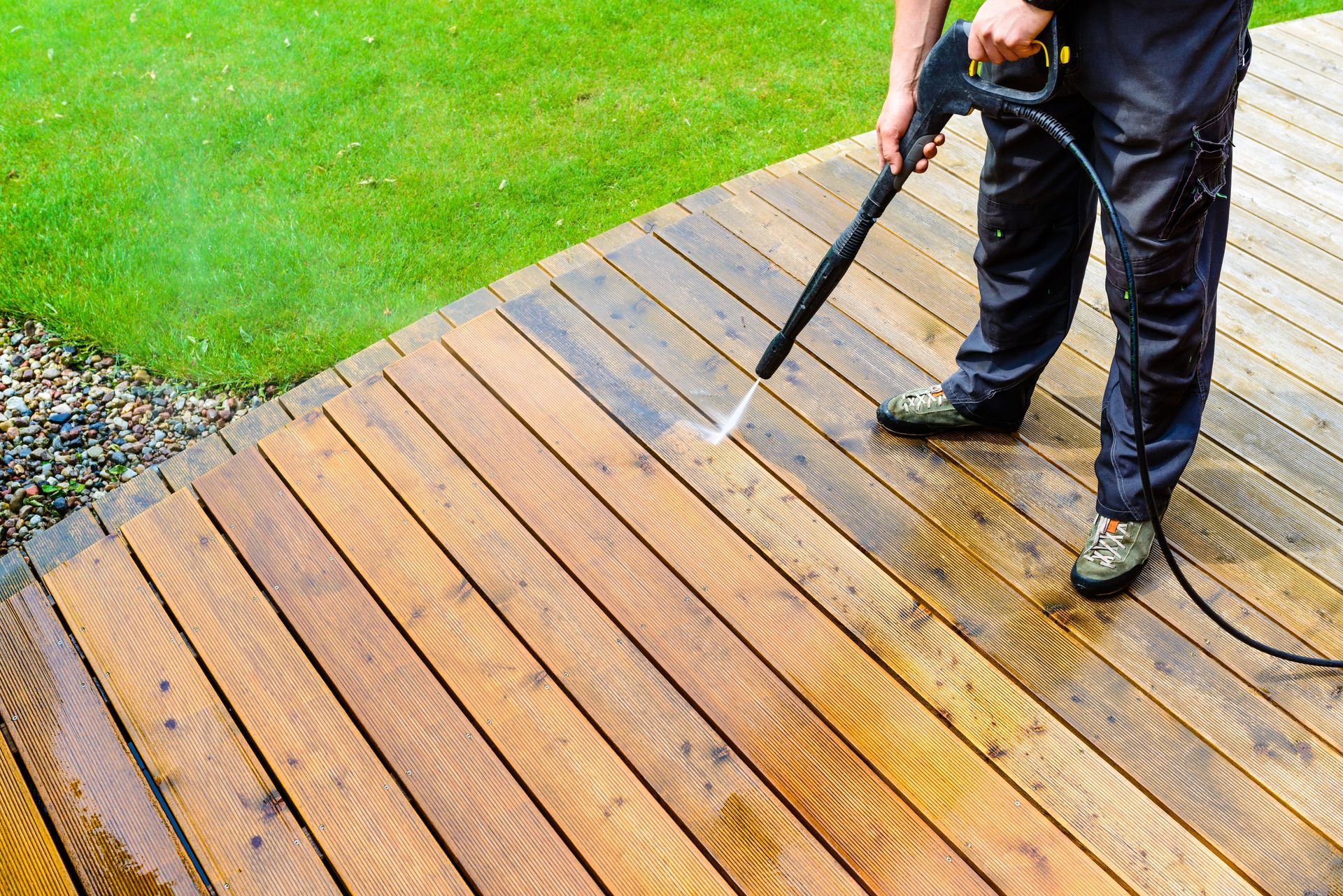
Driveways, patios, and walkways collect marks from foot traffic, vehicles, moisture, and organic growth. Concrete, pavers, and natural stone may all appear under the same broad description of outdoor surface cleaning, yet each needs an approach suited to its material. A cleaner selected for an oil spot on concrete may not be the answer for moss on stone. Ask which surfaces will be addressed and how the provider will handle different kinds of staining.
For pavers, the spaces between units deserve attention as well as the visible faces. Cleaning can disturb joint sand, and some paver services include re-sanding or sealing afterward. Those steps should be discussed as part of the proposed work rather than assumed to come with every wash. With stone, the material's finish and composition matter to the cleaning method, especially if the goal is to remove biological growth without changing its appearance.
Concrete has its own concerns. Appropriate pressure and cleaning solutions can address embedded dirt, algae, and some stains, while an overly aggressive approach risks leaving visible marks on the surface. If a patio or drive includes several materials, ask how the transition between them will be managed. The point of power washing is to improve the appearance of the area without creating a new problem in the material beneath the grime.
Ask About Gutters and Stubborn Marks Separately
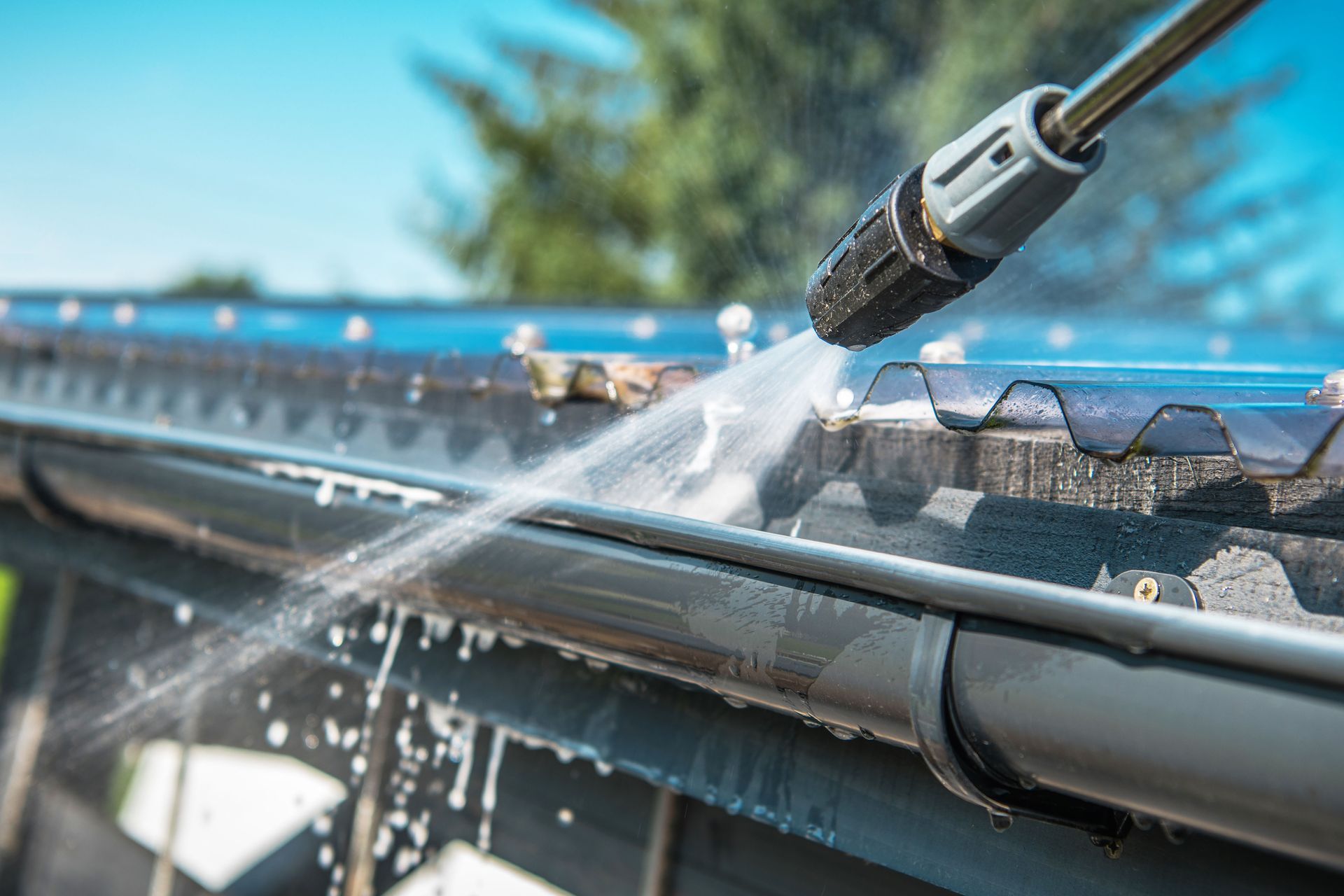
A house wash does not necessarily clear a gutter full of leaves or address a rust stain beside a walkway. Gutter cleaning involves removing debris and checking whether water can move through the downspouts. That work serves a different purpose from cleaning the outside face of the home. If blocked gutters are part of the reason for the appointment, identify them when describing the project so their condition receives its own attention.
Rust and graffiti also require a more specific conversation. The solution appropriate for a rust mark on concrete may differ from what a painted or metal surface needs, while graffiti removal depends on both the marking and the material underneath. Ask whether those areas are included and what treatment is suitable for them. General power washing should not be assumed to solve every stubborn stain merely because it removes ordinary dirt elsewhere.
Understand What the Service Actually Includes
Cleaning is a broad category, and the size of the industry reflects how many different tasks fall under it. According to Fortune Business Insights, the U.S. market for cleaning services is projected to reach $142.27 billion in 2026. That figure includes work far beyond residential exteriors, so the phrase “cleaning service” says little about whether a provider will wash siding, care for shingles, or treat a paver patio. The useful question is what a proposed visit will address on this particular property.
Ask for a clear explanation of the surfaces included, the type of buildup being targeted, and any related work such as gutter cleaning or paver care. If a house wash includes a treatment intended to discourage mold regrowth, find out where it will be applied and how any guarantee is defined. Discuss areas that require special handling, such as natural stone or surfaces with existing wear. Those details make the plan more concrete and give both sides a shared understanding of the result being sought.
Afterward, the property should be viewed in terms of the agreed work, not an expectation that cleaning will fix every exterior issue. Some discoloration may be separate from removable buildup, and a damaged surface may need attention beyond washing. A provider who explains those limits before starting helps the homeowner understand what cleaning can accomplish. That clarity is part of a good outcome, alongside the visible improvement.
The right exterior-cleaning plan begins with an understanding of the home as a collection of different materials and conditions. When the method and scope match what is actually there, the finished work is easier to evaluate. At East Coast Power Washing, we clean house exteriors, roofs, and outdoor surfaces using approaches suited to each area. Contact us to discuss what you have noticed and the surfaces you would like assessed.